
Why environment matters
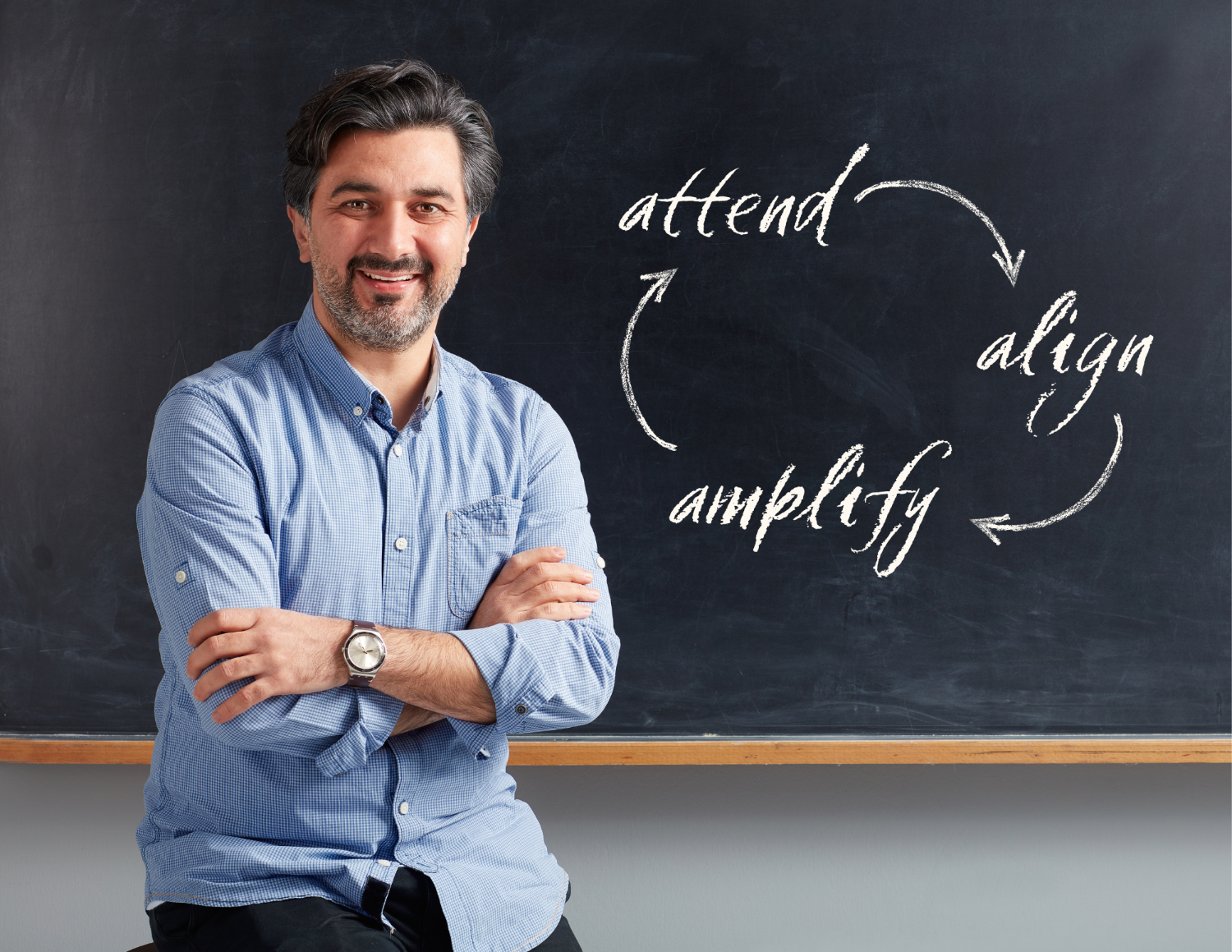
It's a cycle rather than a checklist. Notice what is happening, make a realistic change, and see what becomes possible. Then look again, because the room has changed and so have the people in it.
A strength-based perspective
Human minds vary, and always have. That variation is a natural part of our genetics and our communities, not a set of departures from a correct way of thinking. A strength-based perspective starts there.
The system is the standard, and the person is what needs fixing.
- Treats difference as pathology
- Focuses on what a person cannot do
- Places the whole burden of adapting on the individual
Different cognitive profiles offer distinct value.
- Treats difference as natural human variation
- Adapts the environment so potential can surface
- Shares responsibility between the person and the setting
This does not pretend that difficulty disappears. It locates it accurately.

Support needs are real, and naming them matters. What changes is where the problem is understood to sit.
A student who struggles through six hours under flickering lights isn't failing. The room is working against them. Much of what gets called a problem is really a brain that doesn't fit a narrow version of acceptable.
And when all the attention goes to correcting weakness, real ability goes uncultivated. There's nothing left over to build on what someone is genuinely good at.
Change the environment, and you change the outcome.
The same person,
two environments
Same person, same abilities. Only the setting is different.
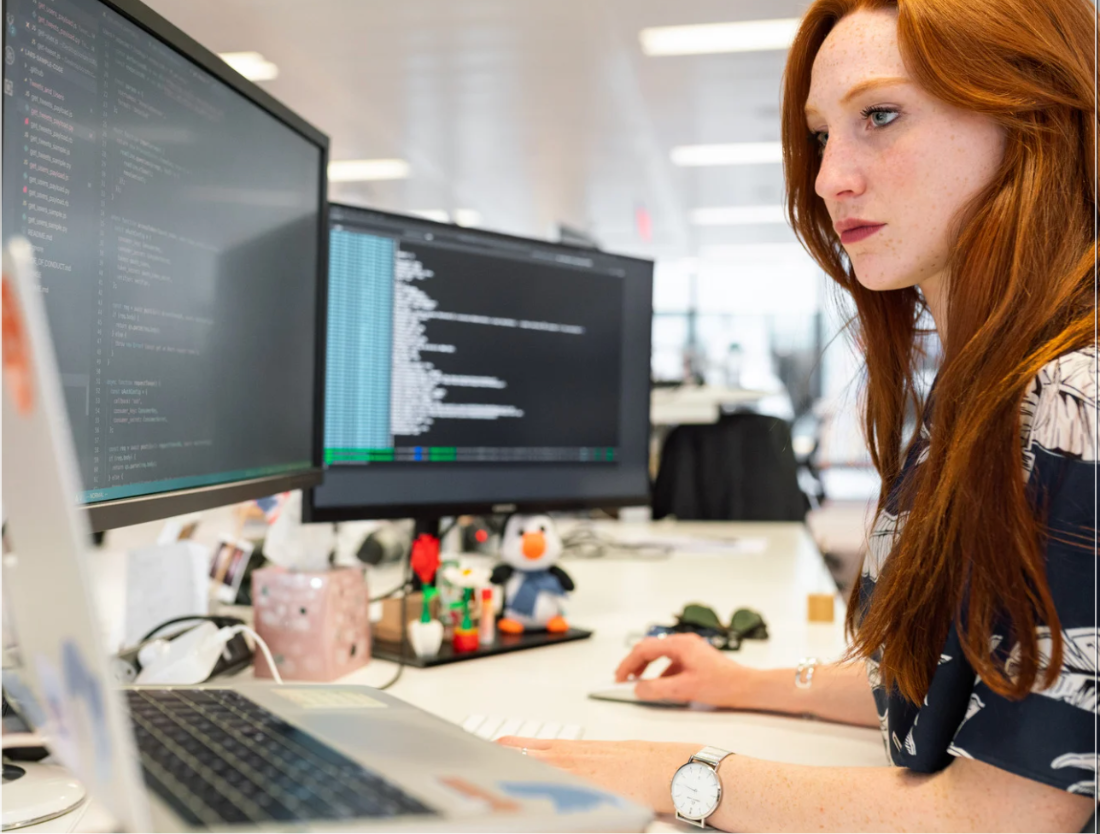
Maya, an autistic software developer
Given a problem that interests her, Maya works fast and finds patterns other people miss. She is direct, genuinely enthusiastic, and good for the team.
- It takes more of her to reach the standard she knows she can reach, and since nobody around her seems to struggle with the same things, she begins to read it as a fault of her own.
- Headphones, a quiet room, or a skipped team lunch get read as detachment rather than need.
- Vague direction leaves her tracking ten possible interpretations, unsure which one is wanted.
- Her results look effortless, so nobody sees the exhausting tax she paid to produce them.
True support means remaining curious, flexible, and informed.

Daniel, fourteen and dyslexic
In a class where he can listen as well as read, Daniel argues about history with real sophistication and asks the question nobody else thought to ask. His teacher calls him one of her strongest thinkers.
- Reading aloud in turn means he spends the lesson rehearsing his paragraph, not learning from it.
- Decoding uses so much working memory there is none left for the thinking he is good at.
- He debates with high-level vocabulary, so adults assume his reading should match.
- He needs structured, explicit instruction. What the school remediates instead is his attitude.

What actually helps
None of this is complicated, and none of it is a special favour. These are the ordinary conditions that let people do their best work.
Sensory autonomy
Quiet spaces, adjustable lighting, the option to move, and advance notice when routines change.
Direct communication
Explicit written expectations instead of implied ones, and more than one way to take part in a conversation.
A place that counts
Environment is more than the room. It is also how a person's contribution is seen, and whether the work they do is treated as mattering.
Room to be themselves
Room and consideration for differences in pace, tone, and the way someone prefers to take part.
Meet these conditions and people stop spending their day getting through it. They contribute what they already do well, and they are willing to take on the parts they are still learning.